

On the occasion of World First Aid Day, whose 2026 theme focuses on first aid in migration contexts, PIRAC highlights a key issue: making first aid accessible to as many people as possible also means strengthening the capacities of those who deliver the training.
Why strengthen first aid training across the Caribbean?
First aid is an essential skill that enables communities to respond to accidents and emergencies. However, improving access to first aid is not simply a matter of training more people. It also requires Red Cross Societies to have access to qualified trainers, appropriate equipment and adapted educational resources, enabling them to develop their own training programmes and reach communities directly.
This is one of the key roles of the Global First Aid Reference Centre (GFARC), which supports National Red Cross and Red Crescent Societies by providing educational resources and tools to develop their own awareness-raising and training activities.
In the Caribbean, PIRAC supports this work through the Ready 360/3 Oceans project.
Strengthening the capacities of Caribbean Red Cross Societies
The GFARC supports the Red Cross Societies of Antigua and Barbuda, Dominica, Grenada, Saint Kitts and Nevis, Saint Lucia, and Saint Vincent and the Grenadines in strengthening their capacity to deliver first aid training for the general public.
This support is built around several complementary areas of action.
Training the trainers
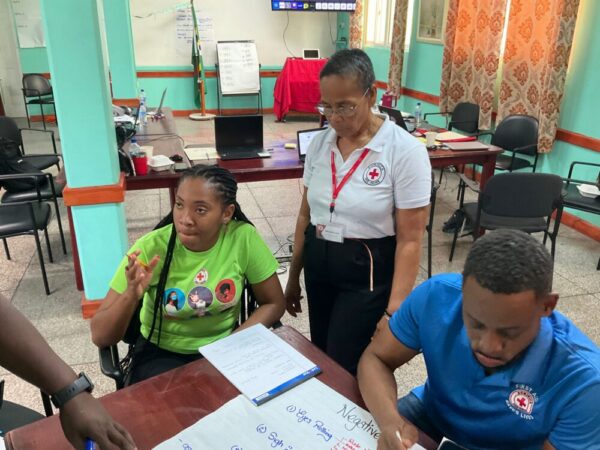
To enable the Red Cross Societies to develop their own training programmes, six training-of-trainers sessions have been held across the region. The aim is to sustainably strengthen their human resources and ensure that each Red Cross Society has people who can, in turn, train local communities.
A total of 46 new trainers have joined the existing teams.
Providing training equipment to Red Cross Societies
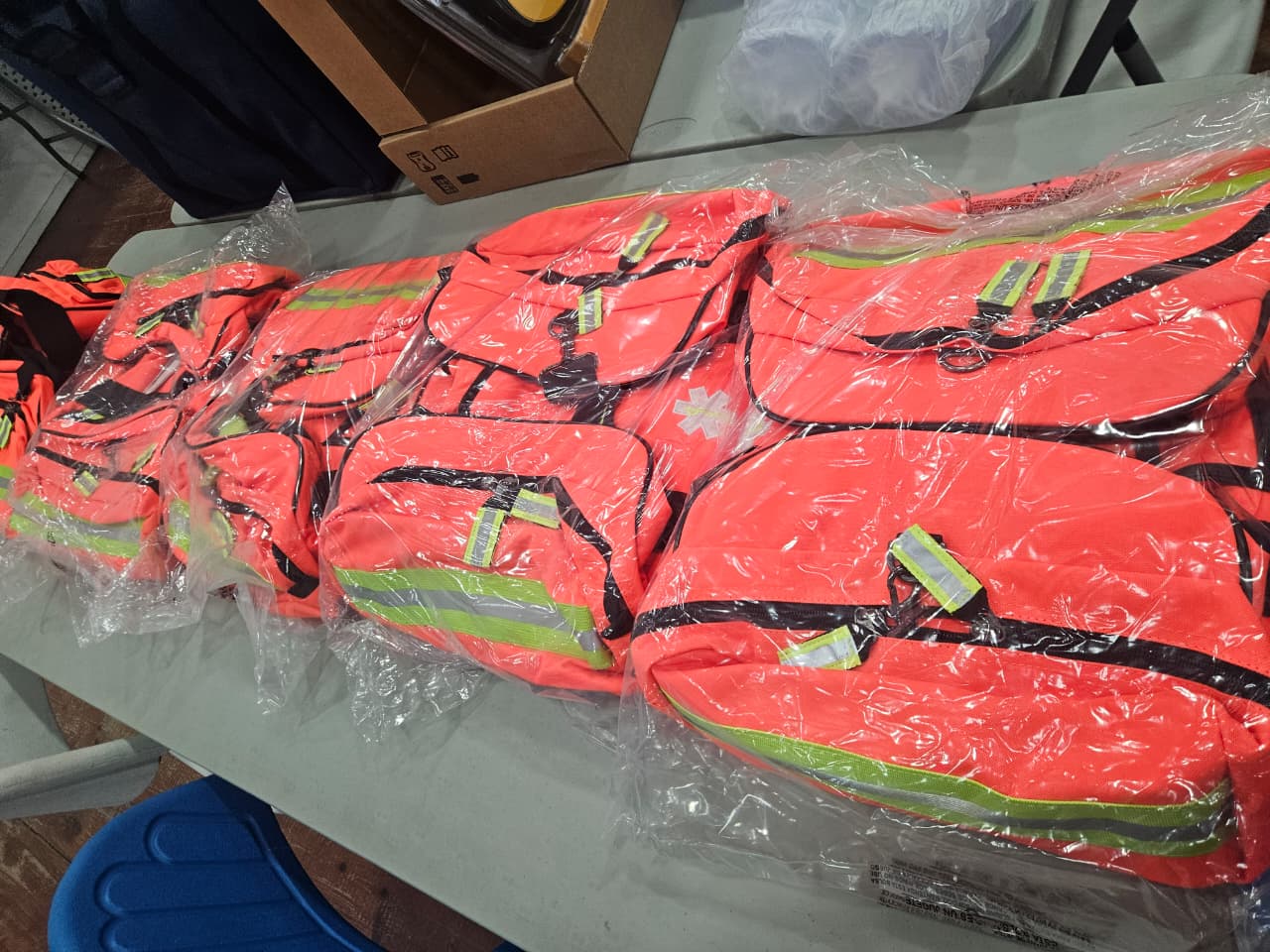
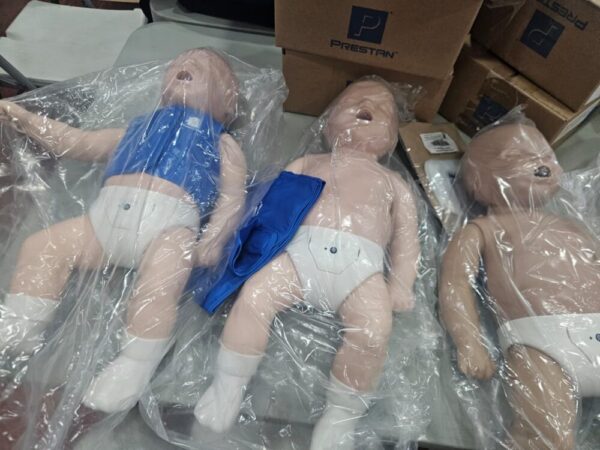
The ability to deliver training also depends on having the necessary equipment available. More than 700 kg of training and emergency response equipment have been delivered to the six Red Cross Societies, including:
-
More than 130 training mannequins;
-
Nearly 60 training defibrillators.
This equipment enables trainers to deliver practical training sessions in suitable conditions and make first aid skills more accessible to the general public.
Adapting resources to Caribbean realities
Strengthening capacities also means having training content that reflects the realities of local territories. The GFARC, PIRAC and Caribbean Red Cross Societies are currently working together to develop a trainer’s manual tailored to the Caribbean context.
The content and illustrations are being adapted to take into account specific regional characteristics, including island environments, Saharan dust haze, health risks, specific types of accidents, the natural environment and local wildlife.
The aim is not simply to adapt existing content, but to provide trainers with resources that reflect the situations they may encounter in their own communities.
First aid in migration contexts: why adapt training?
The need for adaptation takes on particular importance in migration contexts, the focus of the 2026 World First Aid Day campaign led by the GFARC.
People on the move may face specific risks and difficulties accessing healthcare. For those providing first aid, responding effectively to these situations means taking into account factors that go beyond technical skills alone.
Language barriers, cultural differences, family and gender dynamics, attitudes towards authorities and access to healthcare systems can all influence how first aid is understood, delivered and received.
Training first aid instructors therefore also means preparing them to adapt their approach to the realities of the people they support.
Building the long-term capacity of Red Cross Societies
Through its support to Red Cross Societies, PIRAC strengthens local capacities, enabling them to sustainably develop their own first aid activities within their communities.
Training instructors, providing equipment and developing adapted resources: these three complementary approaches help improve access to first aid across the Caribbean.
On World First Aid Day, this work highlights an essential point: if more people are to learn life-saving skills, those who teach them must also have the tools and resources they need to do so effectively.