

Regional cooperation in response to shared challenges
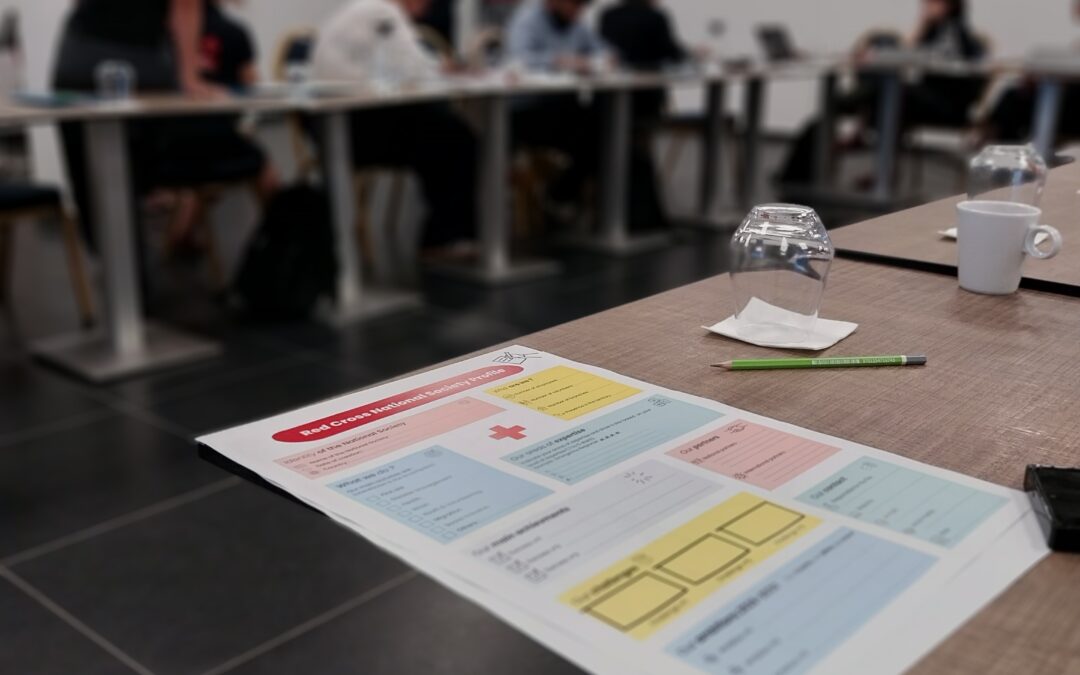
On 2 and 3 December 2025, we brought together in Guadeloupe the Caribbean Red Cross National Societies, the International Federation of Red Cross and Red Crescent Societies (IFRC), the Presidents and representatives of the French Red Cross Territorial Delegations, as well as our key regional partners, CDEMA and the OECS.
These discussions took place in a regional context shaped by climate change, the growing number of humanitarian crises in the Caribbean, and the need to strengthen regional cooperation and humanitarian coordination, from the local to the regional level.
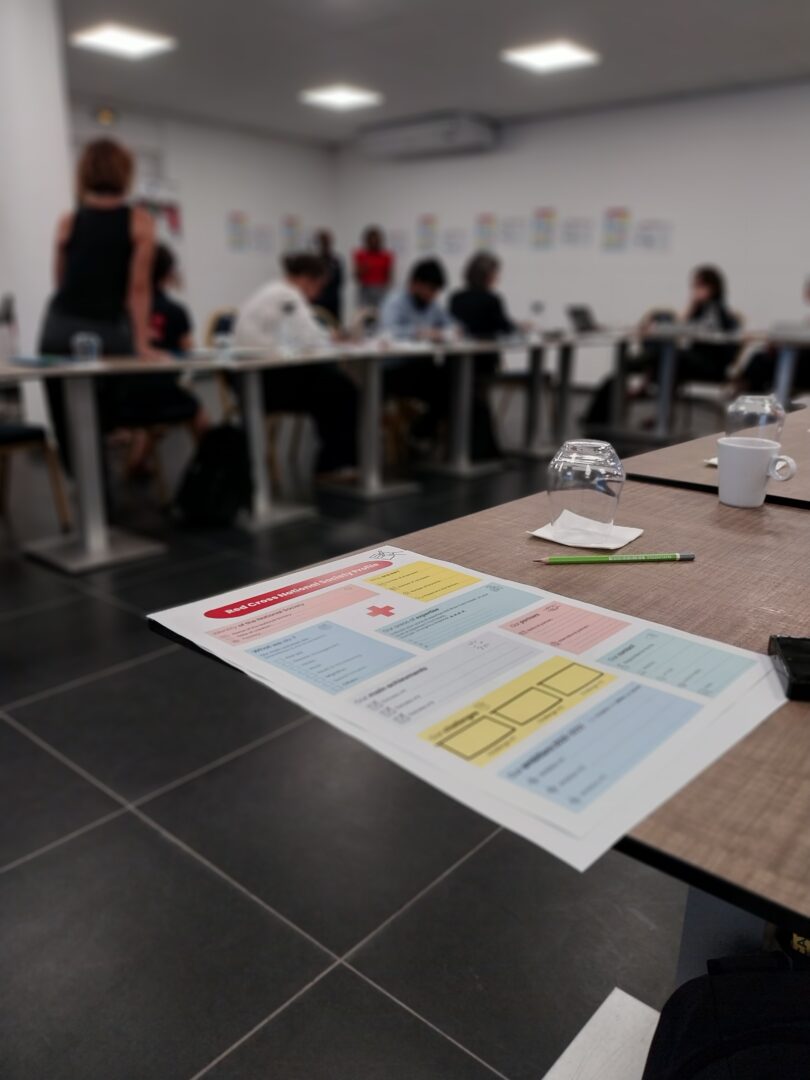
Regional cooperation in the Caribbean: getting to know each other better to act together more effectively
What makes the strength of the International Red Cross and Red Crescent Movement is its unique ability to build on a strong local presence, a footprint across all territories, and a constant commitment to working collectively, while valuing the complementarity of each actor.
These workshops had a clear objective: to strengthen existing partnerships and create the conditions for lasting alignment between strategic orientations, thematic priorities and long-term development ambitions.
They also helped to better understand the expectations, needs and capacities of the different stakeholders, in order to identify concrete areas of convergence that will help shape the future PIRAC 2026–2030 strategy.
Humanitarian response in the Caribbean: sharing field realities and priorities
The first workshop brought together the Red Cross National Societies of Saint Kitts and Nevis, Antigua and Barbuda, Dominica, Saint Lucia, Saint Vincent and the Grenadines, Grenada and Barbados, alongside the IFRC and the French Red Cross.
Each National Society presented:
-
Its ongoing projects and activities,
-
Its operational priorities,
-
Its partnerships,
-
As well as its ambitions for the coming years, whether in terms of human resources, areas of intervention or regional cooperation.
These cross-presentations formed a valuable knowledge base, providing a clearer picture of national realities, challenges faced on the ground, and opportunities for collaboration at the regional level.
PIRAC also shared its expertise tailored to the Caribbean context, particularly in the areas of:
-
Emergency preparedness and response,
-
First aid,
-
Protection, Gender and Inclusion (PGI),
-
Early Action Protocols,
-
Disaster risk reduction in school settings.
Throughout the workshops, regional cooperation was the common thread: how to jointly define medium-term priorities and strengthen the complementarity of actions across the region. The discussions made it possible to bring together different mandates, approaches and operational frameworks, with a view to stronger coordination and greater regional coherence.
French Caribbean: strengthening territorial humanitarian coordination
The second workshop focused on the French Caribbean territories, with the participation of representatives from the French Red Cross territorial delegations and territorial directorates.
The objectives of this session were to:
-
Identify national priorities in terms of prevention, preparedness and crisis response, in line with the French Red Cross National Strategy 2030,
-
Strengthen coordination and synergies between the territorial delegations and PIRAC,
-
Share territorial assessments from Guadeloupe, Martinique, Saint Martin and Saint Barthélemy.
Laying the foundations for the PIRAC 2026–2030 strategy
These workshops were not designed to produce an immediate operational roadmap. Rather, they created a space for dialogue, fostered mutual understanding, and helped lay solid foundations for the future.
The data and lessons learned from these exchanges will be subject to an in-depth analysis, which will begin with the launch of the PIRAC 2026–2030 strategy development process, scheduled for the second quarter of 2026.
In a region increasingly exposed to complex crises, these moments of collective reflection highlight the importance of cooperation, trust, and collective intelligence in strengthening a more coordinated, coherent, and effective humanitarian response, serving the populations across the Caribbean.
To learn more, read also about our disaster preparedness activities in Caribbean territories.
This initiative was made possible thanks to the Ready Together Extension project funded by the Interreg Caribbean programme under the European Regional Development Fund, the 3 Oceans programme supported by AFD – Agence Française de Développement, the CMA CGM Foundation, and the Guadeloupe Region.